

Menu
FND
Search

FRUITFUL NETWORK DEVELOPMENT

Northeast Ohio Agriculture History

Organizations and practices that kept value local, how market acess expanded, and resilient food systems were built.


Historic Infrastructure

Wholesale market anchor

Northern Ohio Food Terminal & Sanson Company

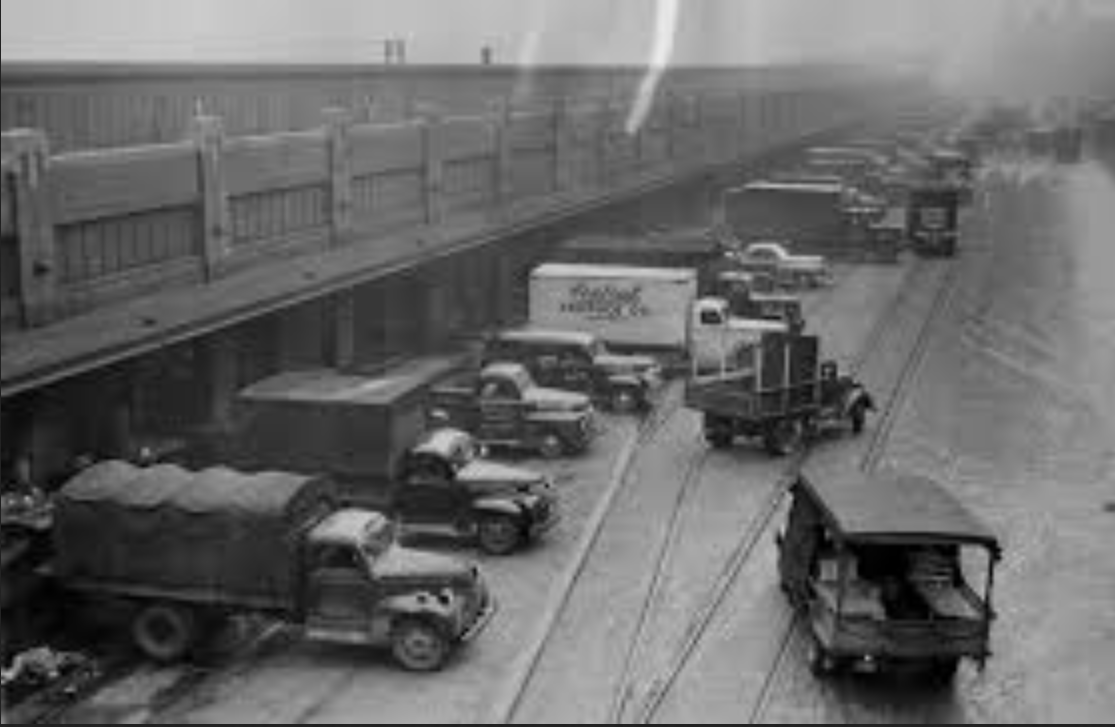
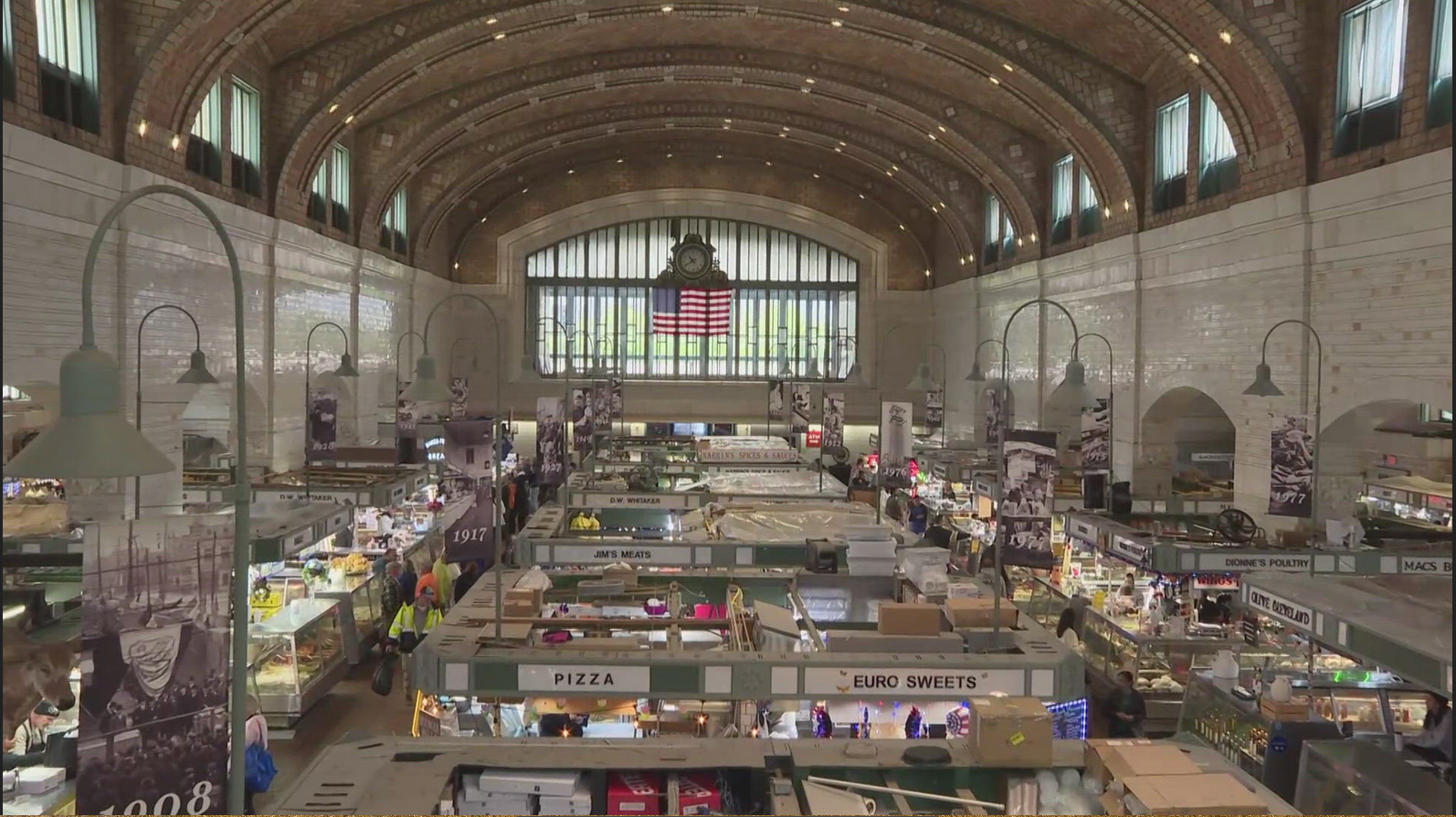
The Northern Ohio Food Terminal opened in June 1929 on a 34‑acre site and once housed 100 merchants, employing about 1,500 people and handling roughly $140 million worth of food annually. During the late 1950s and early 1960s the terminal distributed nearly $200 million in produce each year, making it a vital organizing hub for regional agriculture. Produce arrived via railcars and trucks and moved quickly to wholesalers and retailers.

Today’s Role

While most of the original merchants have closed, Sanson Company—founded in 1914—remains the anchor wholesaler. Sanson provides retail, wholesale, and food‑service customers with fresh produce backed by safety and quality programs. The company distributes local, organic, and specialty produce to grocery stores and warehouses, supports local growers by purchasing their products, and operates a 25,000‑square‑foot certified organic facility.

Opened

1929

Peak merchants

100

Annual volume

$140M+

photo of Northern Ohio Food Terminal here
Wholesale infrastructure keeps regional growers visible to buyers.

Farm-to-table advocacy

Parker Bosley – Cleveland’s Local Food Pioneer

Parker Bosley, often called the “grandfather of Cleveland’s local food,” grew up on a dairy farm and studied cooking in Paris before opening Parker’s New American Bistro. Over two decades he built a menu that relied exclusively on foods produced by Ohio and nearby Pennsylvania farmers. His menu changed daily to reflect what was in season, and he visited farms to encourage specific varieties and breeds.

Fair Prices & Farmer Relationships

Bosley cultivated a network of cheese producers and small farms, paying farmers a premium (e.g., $10 per pound for artisan cheese) to ensure profits flowed directly back to them. He championed small‑scale, sustainable farming and challenged the notion that cheap food should come at the expense of natural resources and rural economies. His advocacy laid the groundwork for Cleveland’s farm‑to‑table movement.

“Local food isn’t cheap; it’s fair.”
photo of Parker Bosley here
Paying farmers a premium kept local agriculture thriving.

Historic supply chains

Food Terminals & Produce Auctions

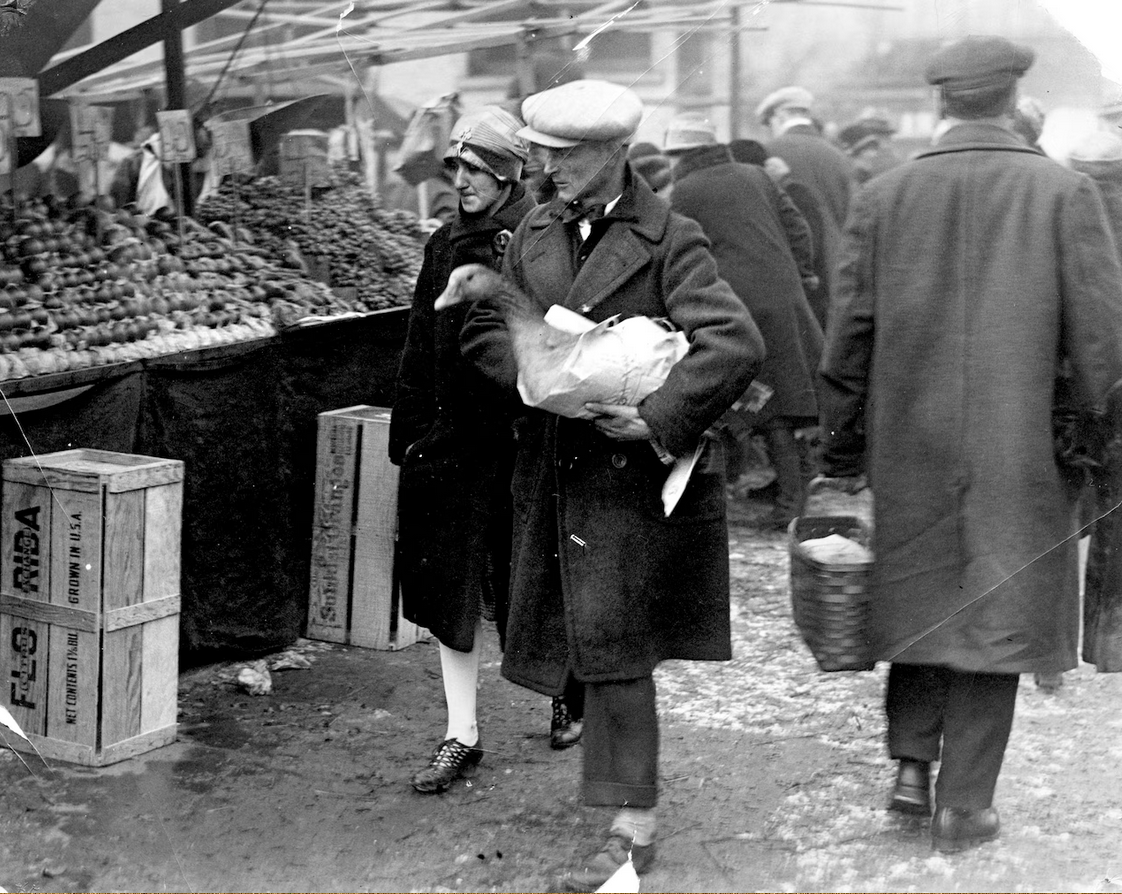
In the early 20th century, food terminals were the primary organizing facet of local agriculture. Cleveland once hosted seven or eight terminals, relying on local farms to supply these bustling hubs. Produce trains from the West Coast—called “fruit blocks”—traveled east with perishable goods that often had priority over passenger trains. The Pennsylvania Railroad Fruit Auction & Sales Building in Pittsburgh’s Strip District, constructed in 1926, stretched about 1,533 feet long (roughly five city blocks). This massive warehouse allowed farmers and brokers to unload railcars directly into auction bays where fruit and produce were sold at dawn. Auctions began early so goods could reach stores and restaurants by opening time, a logistical rhythm that kept regional food systems running.

These terminals thrived thanks to the proximity of rail lines, but as refrigerated trucking became widespread, rail‑based produce distribution declined. Many terminals were demolished or repurposed; only a handful of operations, like the Northern Ohio Food Terminal (now Sanson Company) and the Consumers Produce facility in Pittsburgh, remain today. The history underscores how infrastructure shaped regional food economies and how transportation innovations can shift the balance between local and industrial supply chains.

  1. 1926 Pittsburgh’s produce terminal spans four city blocks.
  2. 1930s Cleveland hosts seven or eight terminals.
  3. 1960s+ Refrigerated trucking displaces rail‑based auctions.
  4. Today A handful of terminals still anchor regional wholesale.
photo of Pittsburgh Strip District Terminal here
Rail‑based distribution once made local produce mainstream.